


Do you wear glasses or contact lenses and dream of seeing a clear picture without the need for “eye crutches”?You are not alone.About a third of people on the planet suffer from impaired vision, want to restore it and see the world in a new way.Mild refractive problems caused by overexertion are easily remedied and can be remedied at home.However, severe nearsightedness, astigmatism or farsightedness can only be cured by a qualified surgeon who will choose an effective treatment method.
Methods to restore vision at home
The prevalence of nearsightedness and farsightedness in patients of different ages forces ophthalmologists to look for new methods to quickly, effectively and painlessly eliminate them.Every day, hundreds of people try different techniques to improve their vision in the hope of getting rid of glasses and contact lenses.The most widely used refractive error treatment methods are:
Special exercise set
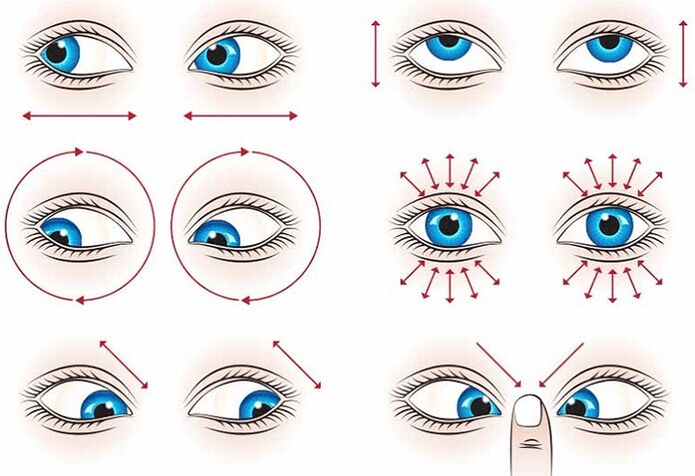
If you regularly visit an eye doctor, you are probably familiar with eye correction exercises.It is used to prevent visual impairment, restore after surgery, and eliminate nearsightedness.As a rule, such a complex includes exercises that move the gaze up, down, to the side, in circles, etc.Such exercises have a good effect with low levels of myopia, accommodation spasms caused by prolonged eye fatigue and frequent work in front of a computer.For more serious violations, the effect will be less noticeable.
Bates method
Also built on eye "training".It includes alternating passive and active exercises.The most famous of the first is massage, the purpose of which is to help relax the visual organs as much as possible, limit the access of light to them and achieve complete calm.
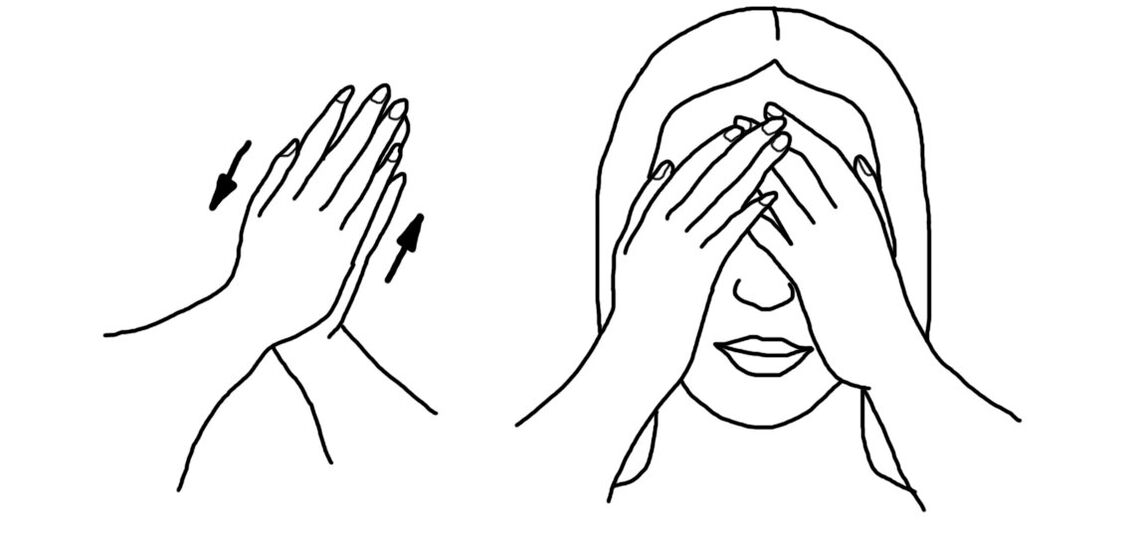
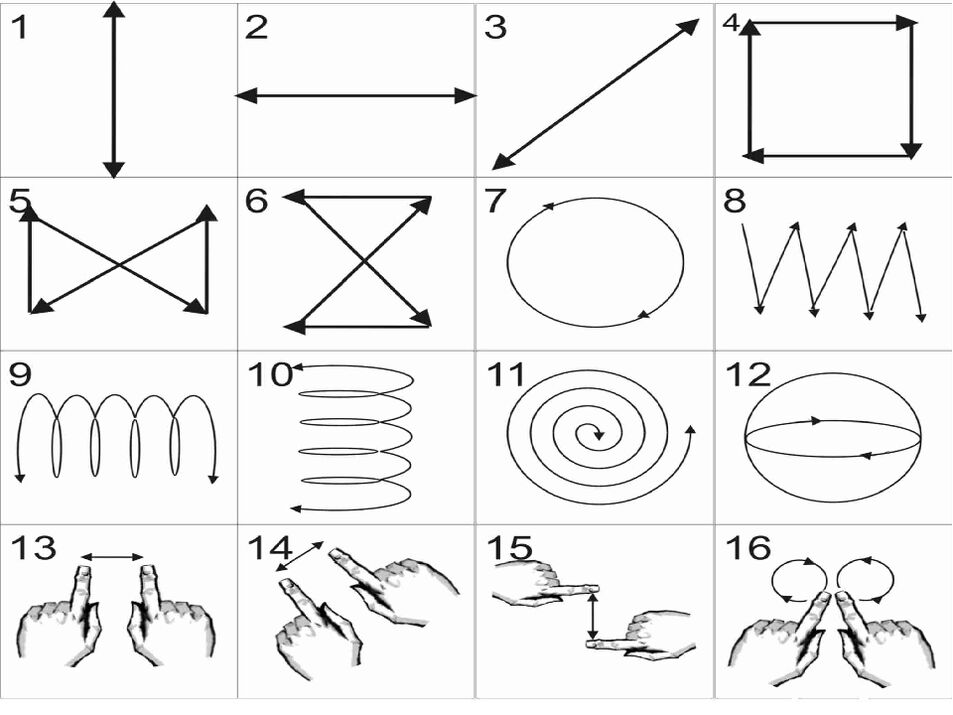
To do this, cover your eyes with your palm for a few minutes until a black field appears in front of them instead of light spots.Dynamic exercises build on classic gymnastics using twisting, turning, eye drawing and blinking movements.Bates also suggested using solar power (“solar” techniques) and pirate glasses, in which one side is covered with black paper or cloth, to treat nearsightedness.
Table method
Based on examination of the ophthalmic examination panel.It consists in “reading” the letters on it every day: first, alternately with each eye, then with both eyes together.Exercise for at least 5 minutes three times a day.Then the complexity is complicated by exercises of moving the eyes, blinking, concentrating, interspersed with looking at the table.
Hardware method
Allows you to stop the progression of nearsightedness and farsightedness, improve vision, and sometimes completely restore vision.Based on the use of special ophthalmic simulators, which:
- reduces tension in eye muscles;
- improves blood flow in the area of \u200b\u200bthe visual organ;
- helps speedy recovery after surgery;
- Eliminates spasms under high visual loads.
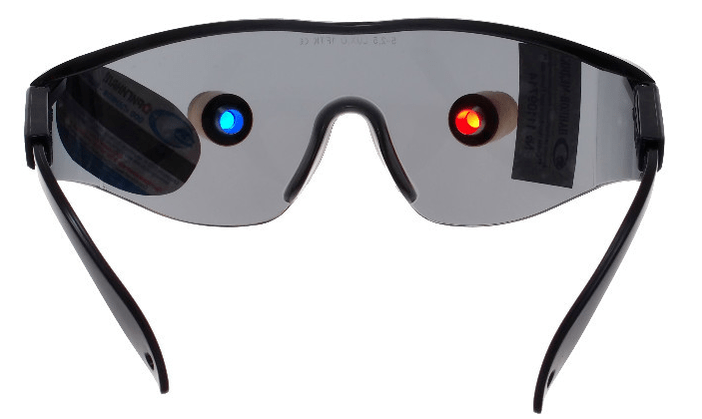
The most famous devices are glasses with LED emitters, eye muscle relaxers, and exercise aids.Therapy courses for them are usually prescribed 2 times a year.The exercise machine can be used by both children and adults.
Rigid night vision correction lenses
They allow you to improve vision in a short time without surgery and prevent the progression of myopia.Can be used in children over 7 years old, in adults - up to 50-60 years old.They help treat myopia in the early stages (up to -10 diopters), astigmatism (up to -1.75 diopters), farsightedness (up to +4 diopters), adjusting the cornea to the correct shape.Unlike classic contact lenses that are worn during the day as an alternative to glasses, therapeutic contact lenses are worn strictly at night.After waking up, a person sees clearly and can work during the day without the need for a vision-enhancing device.The disadvantages of this technique are that it requires long-term use of orthopedic glasses, is uncomfortable to wear, difficult to choose, and has many limitations.
Folk medicine and therapy
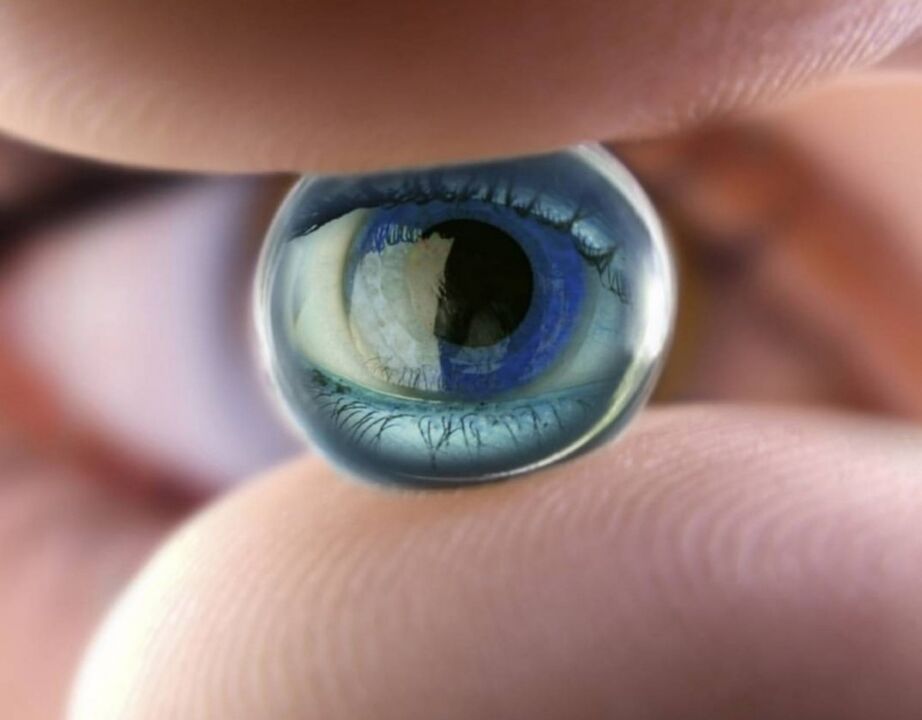
For the treatment and prevention of refractive disorders, special drops can be prescribed that help restore the eye after injury, improve the condition of the retina, reduce spasms of the optic muscles and improve blood circulation.
As an alternative to pharmaceutical drugs, treatment is performed with strong black tea with honey (1 drop for 2 weeks), raspberry juice (applied to the eyes), carrot juice (drink on an empty stomach) and contrast baths.But they are not significantly effective and should be used with caution.
Laser correction and implant surgery
The most advanced methods eliminate even severe refractive errors, prevent the development of age-related vision changes and allow you to completely stop wearing glasses.
Ophthalmologists also assign an important place in eliminating refractive errors to proper nutrition, emphasizing vitamins A, B, C, E, trace elements selenium, zinc, healthy lifestyle and positive attitude.Massage, visual stress and alternating rest, as well as special complexes based on blueberries and natural carotenoids give a beneficial effect in the treatment of the eyes.
Is it possible to quickly improve vision?
The ability to see clearly is available to almost everyone today.Eye microsurgery technologies do not stand still, offering increasingly more advanced correction methods.Safe, painless and comfortable.
Laser operations to eliminate astigmatism are performed for 15-30 minutes, after which the patient can return home immediately.Full recovery will take from 1 to 5-7 days, but during this time you will see normally without glasses, just take good care of your eyes.
Specialists work with different refractive errors:
- short-sighted;
- megacities;
- astigmatism;
- mixed pathology.
Unlike most clinics that refuse patients with complex disorders, some even eliminate severe myopia (up to -25 D), hyperopia (up to +20 D) and astigmatism (up to 6 D).They help people with thin corneas, keratoconus, and age-related changes in the lens and retina.
How to correct vision: modern methods
You can restore your ability to see clearly without eye injections, wearing a bandage, or spending several weeks in the hospital.After surgery, there will be mild discomfort, which usually disappears within a few hours (sometimes days).The vision correction operation itself is carried out in 20-30 minutes, of which only 20-30 seconds are allocated for laser operation.
What methods are used to eliminate ametropia?First of all, laser correction:
ReLEx SMILE
A quick and safe method to restore vision.Changes the curvature of the cornea, maintaining the integrity of the anterior wall.It has a minimal list of contraindications and does not require long recovery (wound healing occurs within 24 hours).During this procedure, a microscopic incision (2-4 mm) is made with a femtosecond laser, through which “excess” corneal tissue (vitreous cornea) is removed.
The average time in the operating room is 20 minutes, laser surgery is 25 seconds.Due to the gentle nature of the procedure, the feeling of a foreign object in the eye will disappear within 2 hours after the intervention.
Preparation: Avoid wearing contact lenses and makeup on the day of surgery.
Femto-LASIK
An effective, painless, surgical technique that reduces the risk of post-operative deformity to 1/10,000.Recommended for patients with hyperopia (up to +6.0 D), nearsightedness (up to -10.0 D), mixed astigmatism (± 3.0 D).Suitable for people with flat, moderately thin corneas and complex diseases.Allows you to improve vision while maintaining contrast sensitivity, normal perception at dusk, in foggy and rainy weather.It is performed using a high-precision femtosecond laser, which creates a thin incision on the surface of the cornea (up to 20 mm).
Time to enter the operating room is no more than 25 minutes, maximum surgical intervention is 1 minute.Initial healing occurs within 2 days; complete recovery of visual function takes several weeks.
Preparation: avoid wearing contact lenses 1-2 weeks before the procedure, cosmetics, perfumes - a few days before.
LASEK/PRK
It is performed on the outer layers of the cornea without changing the inner structure of the eye.It has limitations on the degree of myopia: myopia – from -1.0 to -6.0 D, astigmatism – from -0.5 to -3.0 D, hyperopia – up to +3.0 D. It is used when it is not possible to restore vision by other methods.Suitable for people with thin corneas.The operations are performed on an outpatient basis, within 1 day.Visual function is completely restored within a month.Protective eyewear should be worn for 3-5 days after the intervention to reduce discomfort and speed recovery.
In cases where laser correction is not possible or possible, implant manipulations are used:
- FIOL (phakic intraocular lens).It involves implanting a biocompatible lens into the eye through a microscopic incision up to 1.6 mm in diameter.Reversible operation (lens preserved).Recommended for people under 40 years old with high levels of myopia (up to -25.0 D), hyperopia (up to +20.0 D), astigmatism (up to 6.0 D), who have contraindications to laser treatment.A positive or negative power lens is placed in the anterior or posterior chamber of the eye (no stitches required).This surgery takes about 15 minutes and is performed on an outpatient basis.Visual function is restored within 24 hours.
- IOL (multifocal contact lens).Recommended for people with farsightedness, cataracts, nearsightedness and age-related astigmatism.Allows you to see clearly far and near.Multifocal lens implantation is performed through a 2.5 mm microscopic incision.For the first time after surgery, distortions in image and color perception can be observed, which will disappear as you get used to the lenses (within 2-3 months).
- RZH (refractive lens replacement, lens excision).Recommended for people with severe myopia, lens changes, eye injuries, risk of glaucoma due to myopia and hyperopia.It involves replacing your own lens with an artificial lens through a microscopic incision of up to 2.5 mm.After implantation, good vision is permanently preserved and the risk of cataracts is eliminated.The activity lasts 15-20 minutes.Recovery time is 3-4 weeks.
Indications and contraindications: can they be adjusted?
Refractive errors can be corrected for all levels of hyperopia, nearsightedness and astigmatism.If poor vision interferes with your life, causes discomfort or prevents you from doing what you love, contact the clinic.They will help you restore the “clear picture” without pain, fear and with long recovery.
Each correction method has limitations related to the general condition of the body and directly to the eye apparatus.For example, it is possible to restore vision with a laser only up to 40-45 years old, until age-related changes begin to progress.Once a refractive error occurs, it will be corrected with a lens implant or replacement.As a rule, correction is not carried out for children and adolescents, since during this period the characteristics of the visual apparatus change and there is a high risk of "losing track" with the amount of intervention.
Absolute contraindications to surgery may include:
- multiple sclerosis, diabetes;
- Progressive cataracts, glaucoma;
- infectious and inflammatory diseases;
- bleeding disorders;
- kidney and liver failure;
- Serious pathologies of the cardiovascular system.
More detailed contraindications are indicated on the page for each technology.The minimally invasive ReLEx SMILE method has the fewest limitations, making it suitable even for patients with dry eye syndrome and thin corneas.
Why is it better to restore vision in the clinic?
Seeing the world without glasses and contact lenses after correction is like being born again.Familiar objects gain clear lines and life becomes more interesting with new colors.To ensure that the results are not disappointing, vision improvement surgery should only be performed by professionals.
The clinic offers visually impaired patients:
- Comprehensive examination and consultation with experienced ophthalmologists;
- individually select correction methods;
- Outpatient surgery under the supervision of a qualified surgeon with local anesthesia and sedation capabilities;
- uses high-precision lasers with personalized configuration;
- comply with applicable hygiene standards and requirements;
- minimal risk of complications thanks to minimally invasive interventional methods and extensive experience in the field of laser correction;
- Effective treatment of cataracts, glaucoma, retinopathy, and keratoconus.
The price of vision restoration services depends on the technology used to eliminate myopia.When using LASIK technique, the cost of the procedure is also affected by the degree of refractive error.